The Hidden Cost of a Revolving Door: How Staff Turnover Is Quietly Dismantling Your Hotel's Reputation

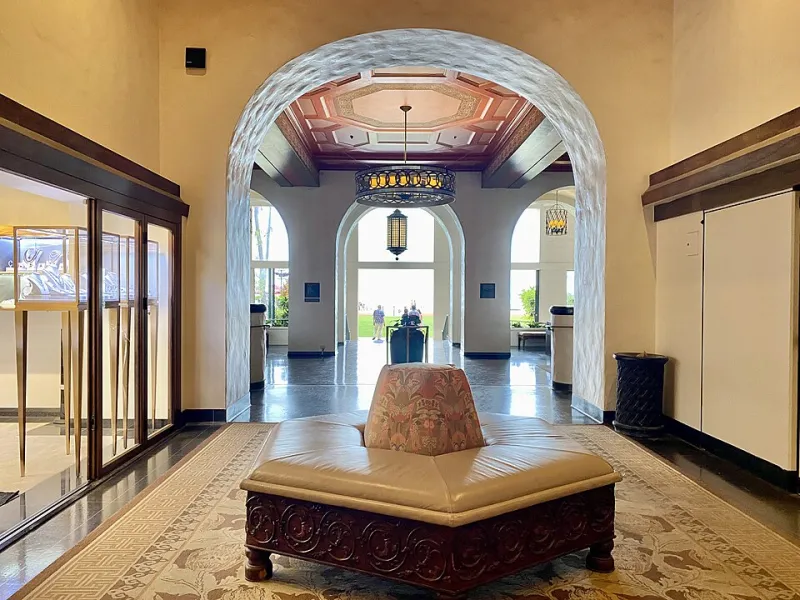
Photo: Jack Oughton, CC BY-SA 3.0, via Wikimedia Commons
Walk into any consistently celebrated hotel in the United States—whether a storied independent property in Charleston or a luxury flag in downtown Chicago—and you will likely notice something that no amenity checklist can capture: familiarity. The front desk associate who remembers that you prefer a high floor. The restaurant server who recalls your dietary preferences without being prompted. These seemingly small gestures are not accidents. They are the byproduct of workforce stability, and they represent one of the most powerful—yet most undervalued—competitive advantages in the hospitality industry.
At Solemer Hospitality, we have observed firsthand that the hotels achieving genuine, sustained guest loyalty are rarely those with the most elaborate lobbies or the highest thread-count linens. They are, more often than not, the properties that have invested seriously and consistently in retaining their people.
The Numbers Behind the Problem
The hospitality industry has long struggled with employee retention, but the scale of the challenge deserves serious attention. According to data from the U.S. Bureau of Labor Statistics and various hospitality industry associations, annual turnover rates in hotels regularly exceed 70 to 80 percent—a figure that dwarfs the national average across all industries. In some segments, particularly limited-service and economy properties, turnover can surpass 100 percent annually, meaning the entire workforce effectively cycles through within a single calendar year.
The financial implications are staggering. Conservative industry estimates suggest that replacing a single hourly hospitality employee costs between $3,000 and $5,000 when accounting for recruitment, onboarding, training, and the productivity gap during the learning curve. For a mid-size hotel with 80 hourly employees and a 75 percent turnover rate, that translates to a recurring annual expenditure of $180,000 to $300,000—funds that could otherwise be directed toward capital improvements, marketing, or guest experience enhancements.
Yet the financial cost, as significant as it is, may actually be the lesser concern.
What Guests Experience When Turnover Is High
Guests rarely read internal staffing reports. What they do experience—and what they remember—is inconsistency. A check-in process that felt seamless on one visit becomes frustrating when handled by an undertrained newcomer the next time. A restaurant meal that previously felt curated and attentive now feels rushed and impersonal. These experiences do not announce themselves as staffing failures. They register simply as disappointment.
Research consistently demonstrates that service consistency is among the top predictors of hotel guest satisfaction and return intent. When a property's workforce is in constant flux, consistency becomes structurally impossible to deliver. New employees, regardless of their individual capabilities, require time to internalize brand standards, develop product knowledge, and build the intuitive hospitality instincts that transform adequate service into memorable service.
The downstream effect on online reputation is equally consequential. Properties with high turnover tend to accumulate reviews citing "inconsistent service" or "staff that seemed untrained"—phrases that are particularly damaging in an era when travelers scrutinize review platforms before making booking decisions.
Case Illustration: Stability as a Strategic Asset
Consider the experience of a boutique hotel group operating several properties across the Southeast United States. Several years ago, management recognized that despite competitive amenities and favorable locations, guest satisfaction scores plateaued and repeat bookings lagged behind regional benchmarks. An internal audit revealed turnover rates exceeding 90 percent annually in front-of-house roles.
Rather than investing in another renovation cycle, leadership redirected resources toward a comprehensive employee retention initiative. Competitive wage adjustments were implemented, a structured career development program was introduced, and scheduling practices were reformed to prioritize work-life balance. Within 18 months, turnover dropped to approximately 35 percent. Guest satisfaction scores climbed measurably, repeat booking rates increased, and—critically—the cost savings from reduced recruitment and training expenditure helped fund the very wage increases that initiated the cycle.
This is not an isolated story. It is a pattern that Solemer Hospitality has observed across property types and markets: when operators treat employee investment as a revenue strategy rather than an overhead expense, the returns are both tangible and durable.
The Leadership Imperative
Addressing turnover is not simply a matter of raising wages, though compensation competitiveness is undeniably important. The research on hospitality workforce retention points to a more nuanced set of drivers. Employees who feel respected, who see a credible path for advancement, who are managed by supervisors they trust, and who work within a culture of recognition are significantly more likely to remain with a property long-term.
This places considerable responsibility on hotel leadership and general managers. The tone set at the top—how disputes are resolved, how achievement is acknowledged, how new ideas are received—permeates every layer of the organization. Properties where leadership is visible, communicative, and genuinely invested in employee wellbeing consistently outperform their peers on retention metrics.
Practical interventions worth considering include structured onboarding programs that extend beyond the first week, regular stay interviews (as distinct from exit interviews) to surface concerns before they become resignations, cross-training opportunities that expand employee skill sets and organizational value, and transparent communication about property performance and strategic direction.
Rethinking the Investment Calculus
The hospitality industry has historically been prone to treating labor as a variable cost to be minimized. This perspective, while understandable from a short-term financial standpoint, is increasingly difficult to justify in light of what we understand about the relationship between workforce stability and business performance.
A hotel's star rating is assigned by an external body based on a standardized set of criteria. It is a credential, and a useful one. But guest loyalty—the kind that drives repeat visits, word-of-mouth referrals, and resilience during slow seasons—is earned through human connection. It is earned by the housekeeper who notices that a guest left medication on the nightstand and ensures it is safely returned. By the concierge who remembers a returning family's children by name. By the front desk associate who resolves a billing discrepancy with grace and efficiency.
None of these moments are possible without experienced, engaged, and stable employees. Investing in the conditions that make those employees want to stay is not a soft, feel-good strategy. It is among the most consequential operational decisions a hotel operator can make.
At Solemer Hospitality, we counsel our clients to evaluate their employee retention data with the same rigor they apply to RevPAR, ADR, and occupancy figures. The numbers are telling a story. The question is whether leadership is prepared to listen—and to act.