Designing for Calm: How Environmental Psychology Is Becoming a Competitive Advantage in Luxury Hospitality
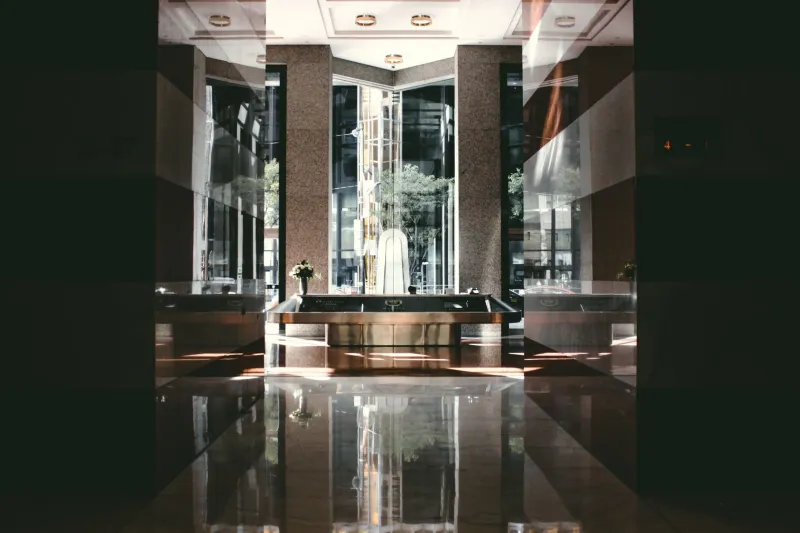
There is a moment every seasoned hotelier recognizes: a guest walks through the lobby, pauses without quite knowing why, and visibly exhales. Their shoulders drop. Their pace slows. Something in the environment has communicated, without a single spoken word, that they have arrived somewhere worth being. That moment is not accidental. Increasingly, it is engineered.
Across the United States, a growing cohort of luxury and upper-upscale properties is turning to environmental psychology — the scientific study of how physical surroundings shape human behavior and emotion — to differentiate their offerings in a market where thread count and turndown service are simply the price of entry. The results, measured in guest satisfaction scores, online review sentiment, and repeat booking rates, are compelling enough to warrant serious attention from any hotelier invested in long-term property performance.
The Science Beneath the Surface
Environmental psychology as a discipline has been studied rigorously since the 1960s, yet its application within hospitality has historically been more intuitive than systematic. That is changing. Hotels now consult with design psychologists and evidence-based interior architects who draw on peer-reviewed research to inform decisions once governed purely by trend and aesthetics.
At its core, the field examines how variables such as color, light, sound, scent, spatial proportion, and material texture interact with the human nervous system. When these elements are orchestrated thoughtfully, they can lower cortisol levels, reduce perceived wait times, encourage social interaction, or — critically for a guest stepping off a transatlantic flight — signal safety and restoration. When they are misaligned, even a beautifully appointed room can feel subtly wrong in ways guests struggle to articulate but will nonetheless communicate in a post-stay survey.
Color Palettes That Work With Biology, Not Against It
Color is perhaps the most immediately legible design variable, and also one of the most frequently misapplied. In the rush to project a distinct brand identity, some properties select palettes that photograph beautifully on social media but prove fatiguing over extended exposure — a significant liability in spaces where guests spend eight or more hours.
Research consistently supports the restorative properties of desaturated, nature-derived tones: soft greens, warm taupes, muted blues, and earthy terracottas. These hues align with what psychologists call the biophilic preference — the human tendency to find comfort in colors associated with natural environments. Properties such as the 1 Hotel brand, with locations across major US markets including New York and Miami, have built their entire visual identity around this principle, using raw, organic materials and verdant accents to create an atmosphere of grounded tranquility.
The implication for hoteliers is not that every property must adopt a nature-forward palette, but rather that color selections should be evaluated not only for brand alignment and photogenic appeal, but for their sustained psychological effect on a guest spending a full night or extended stay within that environment.
Lighting as a Wellness Instrument
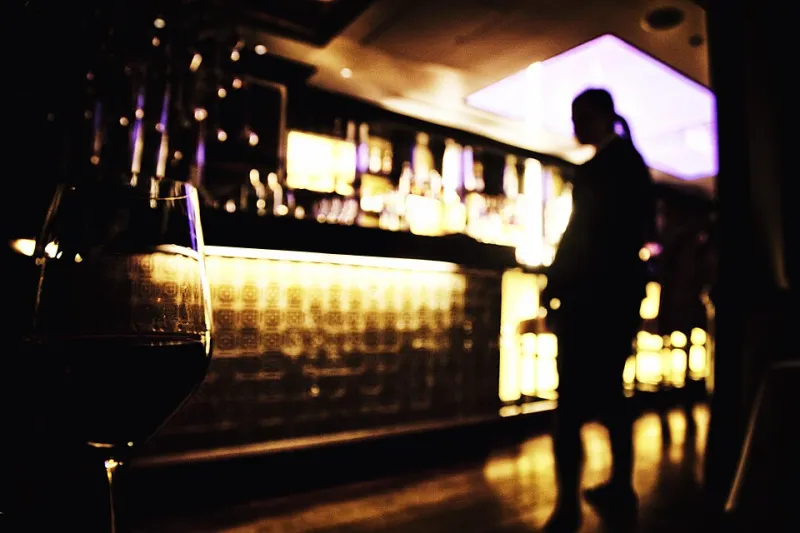
If color sets the emotional register of a space, lighting conducts it. The hospitality industry has long understood that warm, low-intensity lighting creates intimacy in food and beverage settings. What is less commonly applied is a more sophisticated, circadian-informed approach to lighting across the entire guest journey.
Human biology is acutely sensitive to light temperature and intensity as cues for alertness and rest. Bright, cool-spectrum lighting in the early morning supports wakefulness; warm, dimming light in the evening hours signals the body to prepare for sleep. Hotels that deploy dynamic lighting systems — capable of shifting color temperature and intensity throughout the day — are effectively supporting their guests' biological rhythms rather than working against them.
Several properties affiliated with major US wellness-oriented brands have begun programming guestroom lighting to shift automatically in alignment with local sunrise and sunset times. The guest-facing benefit is tangible: better sleep quality, reduced jet lag perception, and a sense of physical restoration that guests attribute, often without understanding why, to the hotel itself.
Acoustics: The Overlooked Dimension
Noise is one of the most cited sources of guest dissatisfaction in US hotel reviews, yet acoustic design remains chronically underfunded in renovation and new-build budgets. This represents both a persistent failure and a genuine opportunity.
Effective acoustic management extends well beyond soundproofing guestroom walls. It encompasses the strategic placement of soft furnishings, textile wall treatments, and sound-absorbing ceiling materials in public areas; the careful routing of mechanical systems away from sleeping quarters; and the intentional use of ambient sound — flowing water features, curated low-level music — to mask intrusive noise through a phenomenon known as acoustic masking.
Properties that invest in this dimension report meaningful improvements in sleep quality scores, which consistently rank among the most influential drivers of overall guest satisfaction. In practical terms, a guest who sleeps well is a guest who checks out forgiving of minor service lapses and predisposed to return.
Spatial Flow and the Psychology of Arrival
The sequence through which a guest moves from the entry point of a property to the privacy of their room is a narrative, and like any narrative, it benefits from deliberate pacing and emotional arc. Environmental psychologists refer to this as spatial sequencing — the conscious design of movement through a space to produce a specific psychological progression.
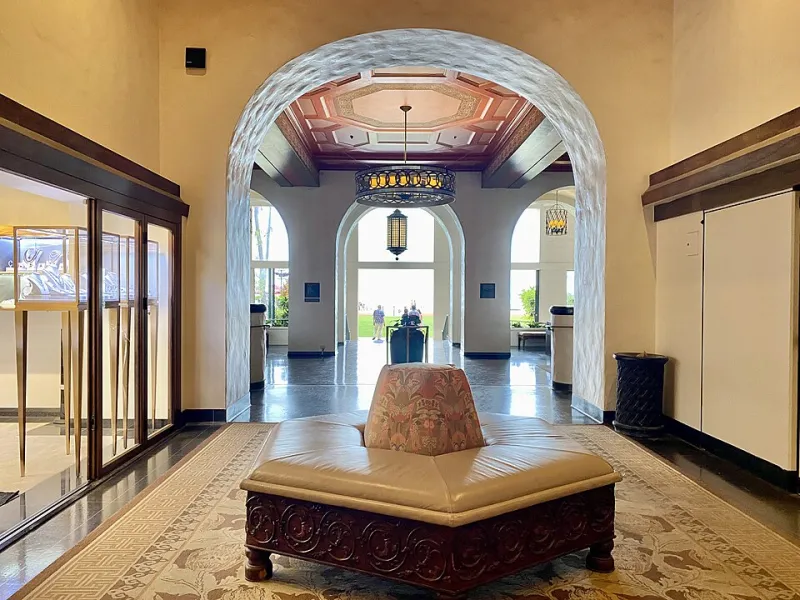
Leading US properties are designing arrival sequences that decompress the guest incrementally: a transition from the noise and scale of the exterior world, through a compressed vestibule that creates anticipation, into a lobby that opens with deliberate generosity. Ceiling heights, natural light sources, and the strategic placement of seating areas all contribute to a choreography that communicates arrival, welcome, and sanctuary in that order.
The front desk itself — long positioned as the operational hub of the lobby — is being reconsidered. Many properties have migrated check-in functions to mobile platforms or intimate seating areas, eliminating the transactional counter that can reintroduce a sense of bureaucratic friction precisely when the guest is meant to feel most welcomed.
Translating Principles Into Practice
For hoteliers considering how to apply these principles without undertaking a full-scale renovation, the entry points are more accessible than they may appear. Commissioning an acoustic audit of high-complaint areas, consulting a lighting designer on a dynamic guestroom lighting retrofit, or engaging a color specialist to evaluate a planned soft goods replacement — each of these represents a targeted, evidence-informed investment with measurable return.
The broader shift, however, is philosophical. It requires recognizing that the guest experience is not merely a service delivery challenge but a spatial and sensory one. Every material choice, every light fixture, every corridor width is communicating something to the nervous system of every guest who encounters it. The properties that attend to this dimension with the same rigor they apply to revenue management and service training will find themselves with an advantage that is genuinely difficult to replicate.
At Solemer Hospitality, we work with ownership groups and management teams to evaluate the full spectrum of the guest experience — including the environmental dimensions that often go unexamined. The science of how spaces make people feel is no longer esoteric. It is, increasingly, the standard.